
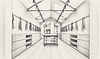
Refurbishment & Reconfiguration
Reinventing Existing Architecture Through Strategic Transformation
Refurbishment and reconfiguration projects create the opportunity to unlock the hidden potential within existing buildings through a process of careful architectural intervention and strategic spatial transformation. Rather than starting from a blank canvas, these projects focus on understanding, adapting, and enhancing the existing built fabric to meet contemporary operational, technical, and user requirements.
Through a combination of spatial reorganisation, technical upgrading, and design-led problem solving, refurbishment projects can significantly improve usability, building performance, accessibility, fire safety, and overall user experience. The objective is not simply to renovate a building, but to deliver a future-oriented architectural solution that extends the lifespan of the property while creating spaces that are coherent, adaptable, and commercially sustainable.
Reimagining Existing Buildings —
Transforming Space, Performance, and Function

Refurbishment and reconfiguration projects begin with a detailed assessment of the existing structure, spatial organisation, and building performance. This stage focuses on identifying the opportunities and limitations within the current building fabric, including structural constraints, circulation patterns, and service infrastructure. By understanding how the building currently operates, a clear strategy can be established for how it can be improved and adapted.
01
Understanding the Existing Building
The next phase focuses on reorganising internal layouts and redefining spatial relationships to improve usability and operational efficiency. Walls may be repositioned, circulation routes optimised, and underperforming areas transformed into functional spaces. The objective is not simply renovation, but the creation of a more coherent, efficient, and user-oriented environment that supports modern operational needs.
02
Reimagining Space and Function
Refurbishment also provides the opportunity to enhance the building’s technical performance and regulatory compliance. Upgrades may include improvements to fire safety, accessibility, environmental performance, and building services. Through carefully coordinated design and technical detailing, the existing building is transformed into a space that meets current standards, operational demands, and long-term usability requirements.


