
Discover UK New Build Developments: Insights into Modern Housing Projects

The landscape of housing in the UK is evolving rapidly. New build developments are reshaping communities and offering fresh opportunities for property developers, homeowners, and businesses alike. These projects are not just about constructing buildings; they represent a thoughtful approach to modern living, sustainability, and long-term value. In this post, I will explore the key aspects of modern housing projects, their benefits, and practical considerations for those involved in the property sector.
Understanding Modern Housing Projects in the UK
Modern housing projects focus on creating homes that meet contemporary needs while respecting the environment and local context. These developments often incorporate energy-efficient designs, smart technology, and flexible living spaces. The goal is to provide comfortable, sustainable, and affordable housing options.
For example, many new builds now include features such as solar panels, high-quality insulation, and energy-efficient windows. These elements reduce energy consumption and lower utility bills for residents. Additionally, modern layouts often prioritize natural light and open-plan living, which enhances the sense of space and wellbeing.
When planning or investing in a modern housing project, it is essential to consider the location, local infrastructure, and community needs. A well-sited development can improve access to schools, transport links, and amenities, making it more attractive to potential buyers or tenants.
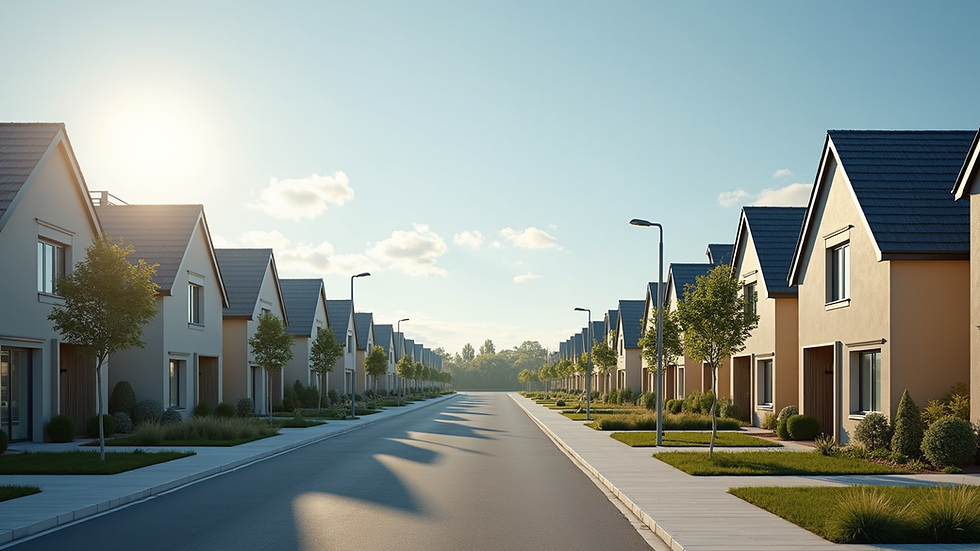
Key Features of Modern Housing Projects
Modern housing projects are distinguished by several important characteristics that set them apart from traditional developments. These features contribute to their appeal and long-term viability:
Sustainability: Incorporating eco-friendly materials and renewable energy sources.
Smart Technology: Integration of home automation systems for lighting, heating, and security.
Flexible Design: Spaces that can adapt to changing family needs or work-from-home setups.
Community Focus: Inclusion of green spaces, communal areas, and pedestrian-friendly layouts.
Quality Construction: Use of durable materials and attention to detail to ensure longevity.
These features not only enhance the living experience but also increase the value of the property over time. For developers, focusing on these aspects can lead to higher demand and better returns.
Planning and Regulatory Considerations
Navigating the planning process is a critical step in any new build development. Understanding local planning policies and building regulations is essential to avoid delays and additional costs.
Local authorities often require detailed proposals that demonstrate how the project fits within the existing environment and meets sustainability targets. Engaging with planning consultants and architects early in the process can help align the project with these requirements.
For instance, developments near protected green belts or conservation areas may face stricter controls. In such cases, designs must be sensitive to the surroundings and may include measures to preserve natural habitats or historical features.
It is also important to consider infrastructure capacity, such as roads, drainage, and utilities. Coordinating with local service providers ensures that the development can be supported without overburdening existing systems.

Practical Tips for Property Developers and Homeowners
Whether you are a developer planning a new project or a homeowner considering a new build purchase, there are practical steps to take to ensure success:
Research the Market: Understand local demand and preferences to tailor the development accordingly.
Engage Professionals: Work with architects, planners, and contractors who have experience in modern housing projects.
Focus on Sustainability: Incorporate energy-efficient features to meet regulations and appeal to eco-conscious buyers.
Plan for Flexibility: Design homes that can adapt to future lifestyle changes.
Communicate with Stakeholders: Maintain open dialogue with local authorities and the community to build support.
By following these guidelines, you can create developments that are both profitable and positively received.
The Future of Housing in the UK
Looking ahead, the future of housing in the UK will likely be shaped by continued innovation and a stronger emphasis on sustainability. Advances in construction technology, such as modular building and 3D printing, may reduce costs and construction times.
Moreover, the integration of green infrastructure and smart city concepts will enhance the quality of life for residents. Developments will increasingly focus on creating connected, resilient communities that support wellbeing and environmental stewardship.
For those involved in the property sector, staying informed about these trends and adapting strategies accordingly will be crucial. Embracing modern housing projects offers a pathway to meeting the evolving needs of society while delivering lasting value.
In this context, exploring uk new build developments can provide valuable insights and opportunities for collaboration.
Embracing Opportunities in New Build Developments
The landscape of new build developments in the UK presents numerous opportunities for growth and innovation. By focusing on quality design, sustainability, and community integration, these projects can deliver significant benefits.
Whether you are developing a new site or investing in a modern home, understanding the key elements of successful projects is essential. With careful planning and a clear vision, it is possible to create developments that stand the test of time and contribute positively to the built environment.
I encourage you to explore the possibilities within this dynamic sector and consider how modern housing projects can align with your goals and values. The future of housing is here, and it offers exciting prospects for all involved.


Comments